
Washington County
Survival Swim Lessons for Springdale, AR
Our pool is in Rogers — about 19 minutes from Springdale. North on I-49, under twenty minutes outside the school run.
JOIN THE WAITLISTWhere You'd Actually Be Driving
There is one Tiny Fins pool in Arkansas and it is at 529 N 46th St, Rogers, AR 72756 — not in Springdale. We are saying that plainly because the drive is the real decision. Survival swim runs up to four short lessons a week, so a 19-minute trip from Springdale is the commitment you are weighing, and it is better to know that now than in week two.
For most Springdale families that works out at roughly 38 minutes of driving on a lesson day, for a lesson that itself takes about fifteen. Parents stay poolside throughout.
Water in Springdale
Springdale is the best-served town we cover. The Jones Center has an indoor pool open year-round, and the Springdale Aquatic Center on Watson Drive runs outdoors from Memorial Day to Labor Day with a zero-entry area, a wading pool, slides and diving boards. There are three splash pads on top of that.
Two lakes sit inside the city — Lake Springdale in the 200-acre J.B. Hunt Park, and Lake Elmdale off Dixon Avenue — both fished rather than swum.
Beaver Lake is about eight miles east. The Corps of Engineers park and the marina at War Eagle both carry Springdale addresses, which puts a large body of open water within a short drive of most of the town.
What the Arkansas Numbers Say
Arkansas reviewed 19 child drowning deaths in 2022, and half of them happened in a lake or a pond rather than a pool. Drowning was the leading cause of injury-related death for Arkansas children aged one to four that year. Open water does not look dangerous to a two-year-old, and it does not have a shallow end.
Those figures come from the Arkansas Infant and Child Death Review, published in 2024 for deaths in 2022. Its own panel recommended low-cost swimming lessons as a prevention measure.
Why the Lessons Are Short
Lessons are one-on-one and about fifteen minutes. Short and frequent is how a child builds the muscle memory to roll, float and breathe without thinking about it — the same reason the schedule is two to four days a week rather than one longer session. It is skill acquisition, not a swim class.
Children start from six months. The goal is not a stroke; it is that a child who ends up in water unexpectedly can get to the surface, float, and breathe.
Opening in Rogers
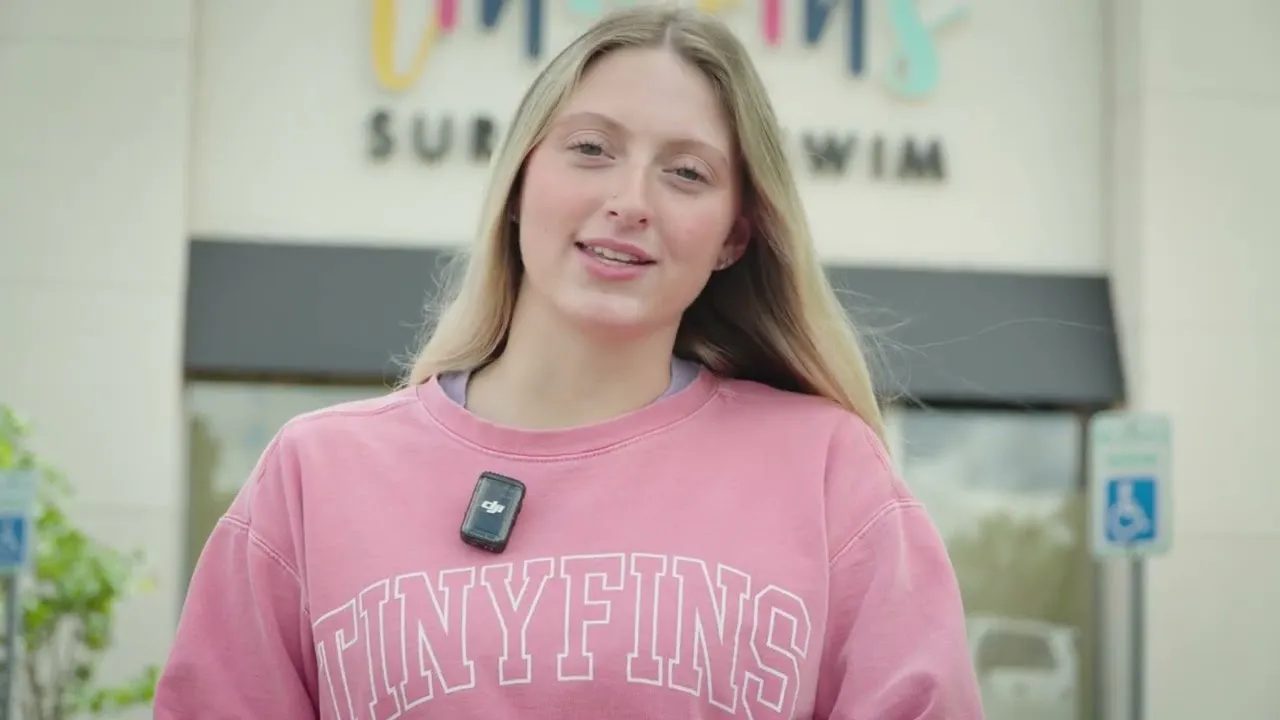
The Rogers pool opens fall 2026. Springdale families can join the waitlist now — places are allocated in the order they are requested, and the first sessions at a new pool fill before opening day.
Questions before you commit? Call (207) 810-4653 and ask. The drive is a fair thing to want to talk through.
Also serving Bentonville, Lowell, Centerton, Cave Springs — or see the Rogers pool.
Join the Springdale Waitlist
Takes a minute. We'll be in touch before the Rogers pool opens.
Joining the waitlist is free. Each child's place is secured once their one-time $30 registration fee is paid. Lessons are $40 each.
Before registering for survival swim lessons, parents often ask these questions:
Can I watch my child’s lesson?
Placing your child in the water for the first time can feel scary. That’s why we invite parents to watch and offer a seating area near the pool.
If your child is struggling to bond with their instructor, we may ask you to stand out of sight of your child so that they can focus on their new skill. Remember, it can take 3-6 lessons for your child to bond with their instructor, so we want to give your child time to get comfortable in the water without you. After all, you won’t always be with them if they find a water source on their own.
Once your child is bonded with their instructor, you’re welcome to come closer to the pool and cheer for them as they master getting to their float!
How old does my child need to be to start lessons?
Children can start survival swim lessons as early as 6 months old. Ideally, every child should learn survival swim skills before they begin walking. Water sources are everywhere and drowning can happen in as little as 2 inches of water. As your child is able to access water sources, they need the skills to turn their bodies away from the water and breathe calmly. However, we teach all ages! Any child can benefit from the skills of the swim-float-swim technique to survive a water accident.
How much do lessons cost?
Lessons are $32.50 each at our Missouri locations and $40 each in Rogers, AR. For the first 24 lessons, depending on your child’s age they will attend two to four lessons weekly until all 24 lessons are completed. Billing is processed monthly.
A one-time $30 registration fee per child is due at enrollment. After completing the initial program, students transition weekly to maintenance lessons.
*If you need financial assistance please let us know and we can connect you to available scholarship programs.
What do I do if my child cries?
New experiences could cause a child to cry: the first time they stay with a grandparent, when you buckle them into a car seat, or even taking a bath at home. At first, survival swim lessons will be new to your child. They may cry at first; however, our gentle approach feels more like playtime in the water. Your child is always safe in the water with their instructor. Most children who cry at lessons at the beginning bond with their instructor, and the tears lessen between the third and sixth lessons. They’ll get more comfortable with every lesson gaining a sense of accomplishment and ease in the water!
What if my child doesn't perform as well as others?
Every child learns differently! Not all children crawl or talk at the same time. The same applies to swim lessons. Every lesson is custom-tailored to your child’s needs and experience so they have the best chance to learn the skills they need to survive in case of a water accident!
What are maintenance lessons? Are they required?
All of our lessons are built on muscle memory. As your child’s body grows, it’s important to maintain the skills they have learned. Without ongoing practice, these skills can become unfamiliar over time.
Will my child learn how to swim or just the survival skills?
Your child will learn true survival swim skills to save themselves in a water accident. However, they will also learn how to swim with us!
How many lessons does it take for my child to learn how to swim?
Most children learn survival swim skills and pass the 2-minute float test between 24-28 lessons. After that, we maintain their skills and work on becoming stronger swimmers in weekly maintenance lessons!
I’ve heard you don’t recommend puddle jumpers, why?
Puddle jumpers place your child in the vertical position in the water instead of what we teach—horizontal. Everything we teach is eyes in, horizontal, so your child can swim, get to their float, relax and breathe. If your child falls into the water without a puddle jumper, they will be in a sinking position. When you begin survival swim, it’s imperative that your child does not use a puddle jumper. Life Jackets should only be worn on a boat at a lake and in open water. These devices also give your child a false sense of security.
Does my child need goggles?
No! In a water accident, your child will likely not have goggles on. We want your child to be prepared for any situation. This is why we train your child to open their eyes in the water to find a safe spot to swim.
What should my child wear to swim lessons?
If your child is not potty trained, we require a disposable swim diaper and a reusable Happy Nappy swim diaper to ensure a clean pool for all of our swimmers. Happy Nappy reusable diapers can be bought on site at one of our locations or at www.splashabout.com. If you’d like to change out of wet bathing suits, we offer changing areas and blow dryers to re-dress your child after their lesson.
Is there a registration fee?
Yes, there is a one-time $30 registration fee per child.
Are registration fees or lessons refundable?
Tiny Fins does not offer refunds or credits for registration fees or lessons. Once a spot is reserved, it is considered sold and is no longer marketable.
How do I take a break or stop lessons?
To end lessons, please submit a 30 day written notice via email to your lesson location.